
How to Make AI Dance Videos with Veo 3: A 2026 Generator Workflow
A practical Veo 3 workflow for making AI dance videos: text-to-video and image-to-video paths, copy-ready prompts, platform specs, and quality checks.
Emma Chen · 14 min read · Jun 30, 2026
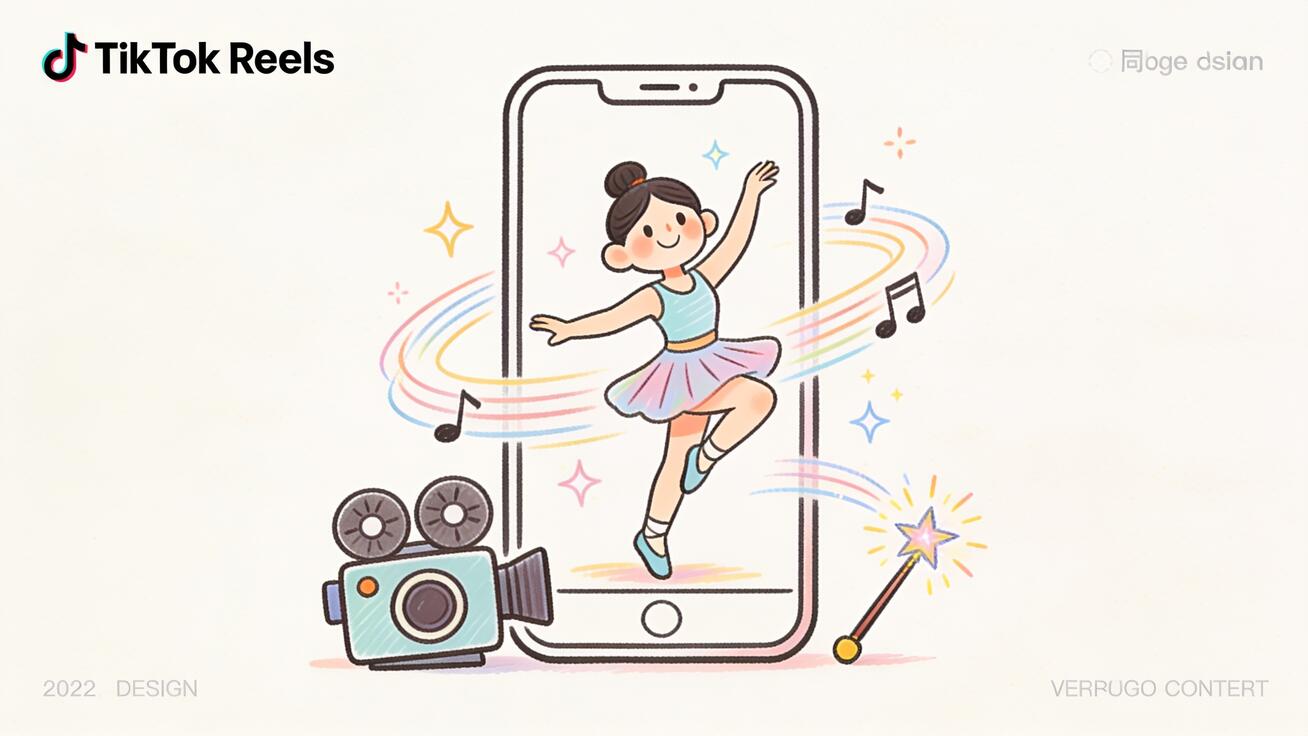
Dance clips are some of the most shared content on TikTok, Reels, and Shorts, and creators no longer need a studio, a dancer, or a choreographer to make one. With the right workflow, an AI dance video can go from a single idea or a single photo to a finished vertical clip in minutes. This guide shows how to make AI dance videos with Veo 3 in 2026, including the exact prompts, the two main generation paths, the platform specs that matter, and the quality checks that separate a smooth viral clip from a glitchy one.
Veo 3 is a strong fit for dance content because it generates motion with native audio, holds a character together across a shot, and renders believable body movement, camera energy, and lighting. That combination is what makes a dance clip feel alive instead of stiff. The goal here is not to promise perfect choreography on the first try. It is to give you a repeatable AI dance video generator workflow so you can prompt, generate two or three versions, pick the best motion, and export something feed-ready.
Quick Answer: How to Make an AI Dance Video with Veo 3
To make an AI dance video with Veo 3, open the generator on veo3ai.io, choose either text-to-video or image-to-video, and describe the dancer, the dance style, the camera move, and the setting in one clear prompt. Generate two or three versions, compare the motion and body consistency, then export the cleanest take in a 9:16 vertical frame for TikTok, Reels, or Shorts. If you want a specific person or character to dance, upload a reference photo and use the image-to-video path so the look stays consistent.
The whole process has four practical stages: pick your input (text or image), write a motion-first prompt, generate and compare versions, and run a short quality check before you post. The rest of this guide breaks down each stage with copy-ready prompt templates and real use cases.
What Kind of AI Dance Videos You Can Make
Before prompting, it helps to know the range of dance content that works well as AI video. Each type has a slightly different prompt focus.
- Solo trend dance: one dancer performing a short, loop-friendly routine for a TikTok trend or audio. Focus on clear full-body framing and rhythm.
- Character or mascot dance: a branded character, avatar, or animated figure dancing. Great for product accounts and music promos.
- Animated photo dance: turning a still photo of a person, pet, or figure into a short dance clip using image-to-video.
- Group or crowd dance: several figures moving together for energy and scale. Harder to keep consistent, so keep the routine simple.
- Cinematic performance dance: a stylized dancer in a dramatic setting with strong lighting and camera movement, closer to a music video.
- Comedy or meme dance: exaggerated, funny movement designed to be screenshotted and shared.
Knowing the type up front tells you what to protect in the prompt. A trend dance needs clean framing and timing. A cinematic dance needs lighting and camera language. A character dance needs consistency. Decide the type first, then write the prompt around it.
Two Ways to Generate Dance Videos with Veo 3
There are two main paths inside the generator, and choosing the right one is the single biggest factor in your result.
Path 1: Text-to-Video (describe the dancer from scratch)
Use text-to-video when you do not need a specific real person and you want full creative control over the look. You describe the dancer, the outfit, the dance style, the setting, the lighting, and the camera. Veo 3 builds the scene and the motion from your words. This path is best for trend dances, cinematic performance clips, mascot or character routines, and anything where a generic but stylish dancer is fine.
The strength of text-to-video is freedom: you can place a dancer on a neon rooftop, in a studio, or in a desert at sunset without any footage. The trade-off is that you cannot guarantee a specific face, so it is not the path for "make this exact person dance."
Path 2: Image-to-Video (animate a photo into a dance)
Use image-to-video when you already have a subject you want to keep. Upload a clear photo of a person, character, product mascot, or illustration, then prompt the dance movement and camera. Veo 3 animates the still into motion while trying to preserve the look from your reference. This is the path most people mean when they search for how to turn a photo into a dance video. It is ideal for "animate my character," branded figures, and consistency-sensitive content.
For best results with image-to-video, start from a sharp, well-lit, full-body or three-quarter photo with a clean background and a neutral standing pose. A cramped, blurry, or heavily cropped photo gives the model less to work with and produces stiffer motion. If you need the same character across several clips, read our Veo 3 character consistency guide before you batch them.
Step-by-Step: Make Your First AI Dance Video
Here is the full workflow from idea to export. Follow it in order the first few times, then adapt.
Step 1: Choose the input and open the generator
Decide text or image based on the section above, then open the Veo 3 generator. If you are animating a specific subject, prepare the reference photo now: crop to show the full body if you can, fix the lighting, and remove distracting background clutter so the dancer stays the focus.
Step 2: Write a motion-first prompt
Dance video prompts succeed or fail on motion description. A common mistake is to describe only how the dancer looks and forget to describe how they move. Always include four things: the subject, the dance style and energy, the camera movement, and the setting and lighting. We cover ready-to-use templates in the next section.
Step 3: Set the aspect ratio and length
For TikTok, Reels, and Shorts, choose 9:16 vertical. Veo 3 clips are short by design, so plan a tight routine that reads well in a few seconds rather than a long sequence. A short, loop-friendly move usually performs better than a long routine that drifts. If you need a longer piece, generate several clips and stitch them in your editor.
Step 4: Generate two or three versions
Never settle for the first generation. Generate two or three versions of the same prompt and compare. Dance motion has natural variation between takes, and one version almost always has cleaner body movement, better timing, or fewer artifacts than the others. This compare-and-pick habit is the difference between an okay clip and a postable one.
Step 5: Inspect, then export
Review each version for the quality issues in the checklist later in this guide: limb consistency, hand and foot stability, face warping, and whether the rhythm matches the energy you wanted. Export the best take in vertical, then take it into your editor to add the trending audio, captions, and any cuts.
AI Dance Video Prompt Templates (Copy-Ready)
These templates are written to be filled in and pasted directly. Replace the bracketed parts. Keep motion and camera language in every one.
Trend dance (text-to-video):
A young dancer in a [streetwear outfit] performing an energetic [hip-hop] routine, full-body shot, sharp rhythmic movements, feet planted then quick spins, dynamic but smooth motion, [neon-lit city rooftop at night], camera slowly pushing in, 9:16 vertical, crisp lighting, realistic body physics.
Cinematic performance dance (text-to-video):
A contemporary dancer in a [flowing white outfit] performing a graceful, emotional routine, slow extended arm movements and a controlled spin, [empty sunlit warehouse with dust in the light], cinematic side lighting, camera orbiting slowly around the dancer, shallow depth of field, 9:16 vertical, film-look color.
Character or mascot dance (text-to-video):
A friendly [cartoon robot mascot] doing a playful, bouncy dance, exaggerated cheerful movements, arms swinging and a little hop, [bright pastel studio background], soft even lighting, static camera with a gentle zoom, 9:16 vertical, clean and fun tone.
Animate a photo into a dance (image-to-video):
Animate the person in the reference image performing a smooth [casual groove] dance, natural relaxed movement, gentle sway and a turn, keep the face and outfit consistent with the photo, [keep the original background], soft camera push-in, 9:16 vertical, realistic motion.
Comedy or meme dance (text-to-video):
A [person in an oversized dinosaur costume] doing a goofy, over-the-top dance, exaggerated stomping and arm flailing, comedic timing, [plain living room], flat lighting like a phone video, handheld camera feel, 9:16 vertical, funny and shareable.
When a result feels stiff, add motion verbs (sway, spin, bounce, step, glide) and a clear camera instruction. When a result feels chaotic, simplify the routine to one or two clear moves and reduce the camera movement. Small prompt edits usually fix more than starting over. For deeper prompt control, our Veo 3 prompt guide covers structure, camera language, and negatives.
Matching Dance Style to Your Platform and Audience
The same generator can produce wildly different results depending on the dance style you choose, and the best style is the one that fits where the clip will live. A quick mental map helps you prompt with intent instead of guessing.
For TikTok and Shorts, fast and rhythmic styles win because they read in the first second and loop cleanly. Hip-hop, street, and short trend routines are reliable choices, and exaggerated or comedic movement gets screenshotted and reshared. For Instagram Reels and a more polished brand feed, smoother styles often land better: a casual groove, a confident walk-and-pose, or a light contemporary flow that feels stylish rather than chaotic. For music and artist promotion, lean cinematic, with controlled movement, dramatic lighting, and a camera that moves with the dancer like a real music video. For brand and mascot accounts, keep the routine playful and simple so the character stays consistent and on-brand across many posts.
Audience age and tone matter too. A younger trend audience rewards energy and humor, while a premium or professional brand audience rewards restraint and craft. Decide the platform and tone first, pick a style that matches, then write the prompt around that style. This single decision removes most of the trial and error, because you are no longer asking the model for a generic dance and hoping it fits the feed.
Best Use Cases for AI Dance Videos
AI dance content is not only for trend-chasing. Here is where it earns real results.
- TikTok and Reels growth: jump on a trending dance or audio without filming. A character or stylized dancer can post daily without burning out a creator. Pair this with our Instagram Reels workflow for cross-posting.
- Music promotion: independent artists can generate dance visuals for a track, build a teaser, or create a loop for a release announcement. See the Veo 3 music video guide for full songs and performance scenes.
- Brand and product accounts: a branded mascot or character doing a quick dance is a low-cost way to stay active and human in the feed without a full production.
- Event and announcement hype: a celebratory dance clip works for launches, milestones, and seasonal moments.
- UGC-style ad creative: a relatable, casual dance hook can open a short ad before the product moment. Test several dance hooks the same way you would test any creative.
- Personalized fun: animating a friend's, pet's, or family photo into a playful dance is one of the most shared formats, especially for greetings and celebrations.
The common thread is speed and volume. Because you can generate and compare versions quickly, dance content is well suited to posting consistently and testing what the audience actually rewards.
Tips for Smooth, Realistic Dance Motion
Dance is unforgiving because viewers instantly notice when a body moves wrong. These habits raise your hit rate.
- Keep the routine simple. One or two clear moves read better than a complex sequence the model has to invent. Complexity is where limbs glitch.
- Lead with motion verbs. Words like sway, spin, step, bounce, glide, and roll guide the body. Vague prompts produce vague, floaty motion.
- Match camera energy to dance energy. A high-energy hip-hop routine can take a push-in or a slight handheld feel. A graceful contemporary piece wants a slow orbit. Mismatched camera language makes even good motion feel off.
- Protect the full body. If hands and feet matter for the move, frame full-body and say so. Tight crops hide the move and often warp at the edges.
- Use a clean reference for image-to-video. Sharp, well-lit, full-body, neutral pose. The better the input, the more stable the dance.
- Generate in small batches. Two or three versions per prompt, then pick. Treat each batch as a test, not a final.
If you want to push toward a more cinematic look with stronger lighting and camera work, the Veo 3 cinematic prompts guide pairs well with performance-style dance clips.
Limitations and a Quick QA Checklist
Being honest about limits saves you wasted generations. AI dance video is good, not flawless.
- Fast, complex choreography can break. Rapid footwork, intricate hand moves, and tight partner work are the hardest cases. Keep it simpler for reliability.
- Hands and feet are the weak points. Extra fingers, blurred feet, or a foot that slides instead of steps are the most common artifacts. Always check them.
- Long routines drift. The longer the clip, the more the body and background can wander. Short and loop-friendly is more dependable.
- Exact real-person likeness is limited. Image-to-video preserves a look reasonably well, but do not expect a perfect identity match, and never use someone's likeness without permission.
- Clips are short. Plan for short-form. Build longer pieces by stitching multiple exports in an editor.
Run this quick check before you post any AI dance clip:
- [ ] Limbs stay consistent through the whole move (no extra or missing arms/legs).
- [ ] Hands and feet are stable, not warping or sliding.
- [ ] The face does not melt or flicker, especially on turns.
- [ ] The rhythm matches the energy you prompted.
- [ ] The frame is 9:16 and the dancer stays in frame.
- [ ] You compared at least two versions and exported the best.
- [ ] You have the right to use any reference image or likeness.
FAQ
Can Veo 3 make a dance video for free? You can start generating with Veo 3 on veo3ai.io and test the dance workflow. For free-access details and credit limits, see our Veo 3 free access guide.
How do I turn a photo into a dance video? Use the image-to-video path. Upload a sharp, well-lit, full-body photo, then prompt the dance style, the movement, and the camera while telling the model to keep the face and outfit consistent with the reference.
What is the best aspect ratio for AI dance videos? Use 9:16 vertical for TikTok, Reels, and Shorts. It fills the phone screen and matches how dance content is watched.
Why does my AI dancer look stiff or glitchy? Usually the prompt lacks motion verbs, the routine is too complex, or the framing hides the body. Add clear movement words, simplify the routine, frame full-body, and generate a few versions to pick the smoothest one.
Can I make a specific real person dance? You can animate a photo of a person you have permission to use, but identity will not be perfectly exact, and you should never use someone's likeness without consent. Keep it ethical and platform-compliant.
Conclusion
Making an AI dance video with Veo 3 comes down to a simple, repeatable loop: choose text-to-video or image-to-video, write a motion-first prompt that names the dancer, the style, the camera, and the setting, generate two or three versions, then run a fast quality check before you export in vertical. Lead with movement, keep routines simple, protect the full body, and start from a clean reference when you animate a photo. Do that, and an AI dance video generator workflow stops being a gamble and becomes something you can rely on for trend clips, music promos, brand mascots, and shareable personal content. Open the Veo 3 generator, paste one of the prompt templates above, and make your first dance clip.
Related Articles
Continue with more blog posts in the same locale.
How to Make Sports Highlight Videos with Veo 3 AI (2026)
Create stunning sports highlight videos with Veo 3 AI. Generate dynamic action shots, slow-motion sequences, and dramatic replays using AI prompts.
Read article
How to Make a Short Film with Veo 3 AI (2026 Guide)
Learn how to create professional short films using Veo 3 AI. Step-by-step guide with prompts, workflow tips, and cinematic techniques.
Read article
How to Make Documentary Videos with Veo 3 AI (2026 Guide)
Create compelling documentary videos with Veo 3 AI. Learn prompting techniques, narrative structure, realistic footage generation, and post-production tips.
Read article